
UPS, EPS and a battery without solar: which backup power do you need?
Backup power is chosen by which loads must keep running, for how long, and with what interruption.
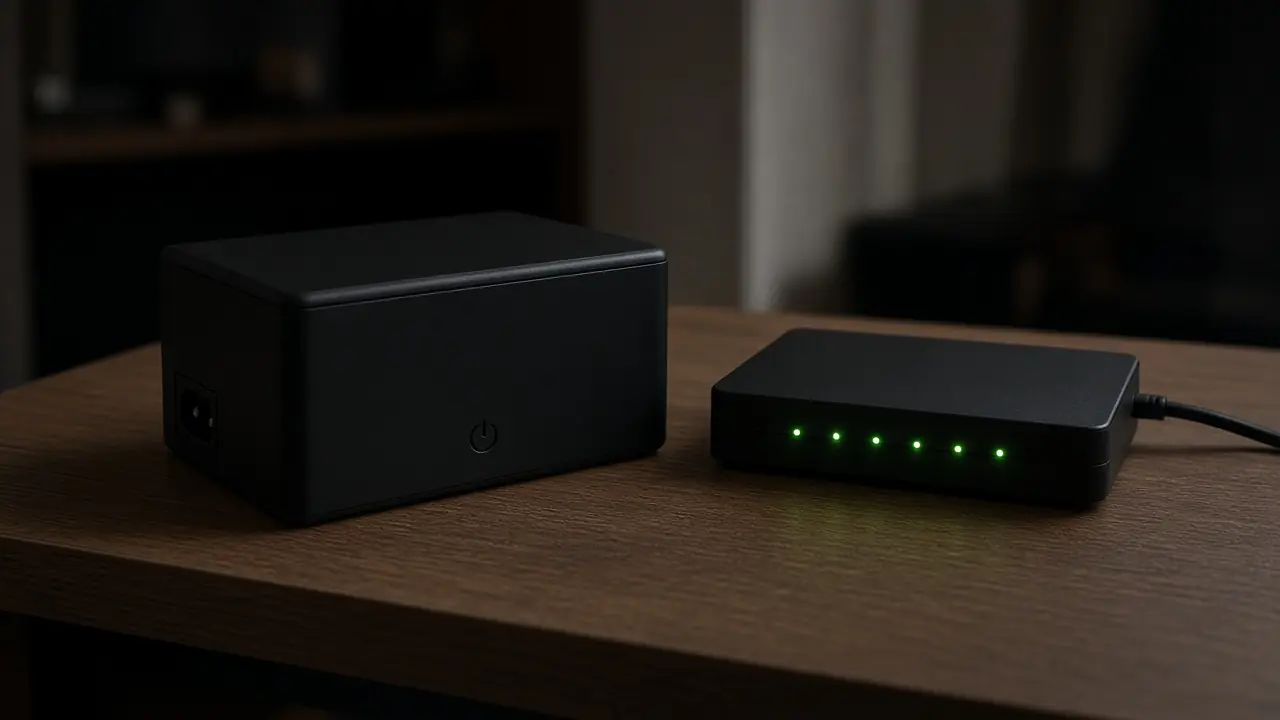
"A backup battery" can mean very different things: a small UPS for the router, a hybrid inverter with an EPS output for part of the house, or a large three-phase UPS for a business. The difference lies in what it powers, for how long, and whether a short interruption is acceptable when the grid fails.
UPS and EPS – what's the difference?
- UPS (uninterruptible power supply): with an online (double-conversion) UPS, loads run through the inverter all the time and never notice the grid failing. Line-interactive and offline UPS units have a short transfer that most electronics tolerate.
- EPS / backup output of a hybrid inverter: when the grid fails, the inverter switches to island mode and supplies selected loads from the battery and panels. Transfer time and output power depend on the model – some have a short interruption, and often only a separate "backup" circuit is supplied, not the whole house.
Does a battery just for night-tariff energy make sense?
Rarely. A battery without solar only earns the difference between the night and day price. With a small tariff difference, charge/discharge losses and wear with every cycle, payback is often longer than the battery's life.
It can make sense when:
- you need backup power because of frequent outages;
- the site is on dynamic hourly (exchange) prices with large swings through the day;
- the battery can reduce a business site's capacity charge;
- it is a first step with a hybrid inverter, with solar to be added later.
Small and large UPS systems
Small UPS – for communications and emergency lighting only
Small UPS units (illustratively about 0.5–3 kVA, plug-in or rack) make sense for one thing: keeping connectivity and safety available during an outage.
- Communications: router, fibre terminal (ONT), switch, phone, alarm communicator, cameras and NVR.
- Emergency lighting.
- Types: offline, line-interactive or online. Batteries: lead-acid VRLA or LiFePO4.
- Short runtime – enough for communications to ride through the outage or until another source takes over.
Heating, pumps and the rest of the house are not for a small UPS. They belong to a large UPS, a hybrid inverter with EPS, or a generator.
Large UPS – for the whole house or business
- Illustratively from about 5 kVA up to hundreds of kVA; three-phase online double-conversion systems.
- Modular or N+1 redundant; manual and automatic bypass for maintenance.
- External battery cabinets sized to the runtime needed.
- Generator integration for long outages.
- Efficiency and eco mode, room cooling, scheduled maintenance and battery replacement.
- Sizing by load power and by runtime – the two are assessed separately.
- Heating, pumps, refrigeration and critical business processes.
When a hybrid inverter with EPS or a generator is the better choice
If solar is already installed or planned, a hybrid inverter with an EPS output and a battery often covers backup for the important circuits in a house – including heating and pumps – while also raising self-consumption. For very long outages or large loads, a generator (alone or with a UPS/inverter) is more practical than a huge battery. A large online UPS is for cases where even a short interruption is unacceptable.
Comparison
| Small UPS | Large UPS / hybrid inverter with EPS / generator | |
|---|---|---|
| Purpose | Communications and emergency lighting only | Whole house or business: heating, pumps, the remaining loads |
| Power (illustrative) | about 0.5–3 kVA | from about 5 kVA to hundreds of kVA |
| Types | Offline, line-interactive, online | Three-phase online UPS, hybrid inverter with EPS, generator |
| Interruption | Zero to short, depending on type | Zero with online UPS; model-dependent with EPS; seconds with an auto-start generator |
| Runtime | Short | Set by battery cabinets or fuel |
| Batteries | VRLA or LiFePO4 | External cabinets, LiFePO4 or VRLA; fuel for a generator |
| Redundancy | Usually none | Modular, N+1, bypass |
| Installation & maintenance | Plug-in or rack; periodic battery replacement | Design, switchboard, cooling, scheduled maintenance, battery replacement |
Power values are illustrative and for orientation only.
Aquariums, terrariums and other habitats
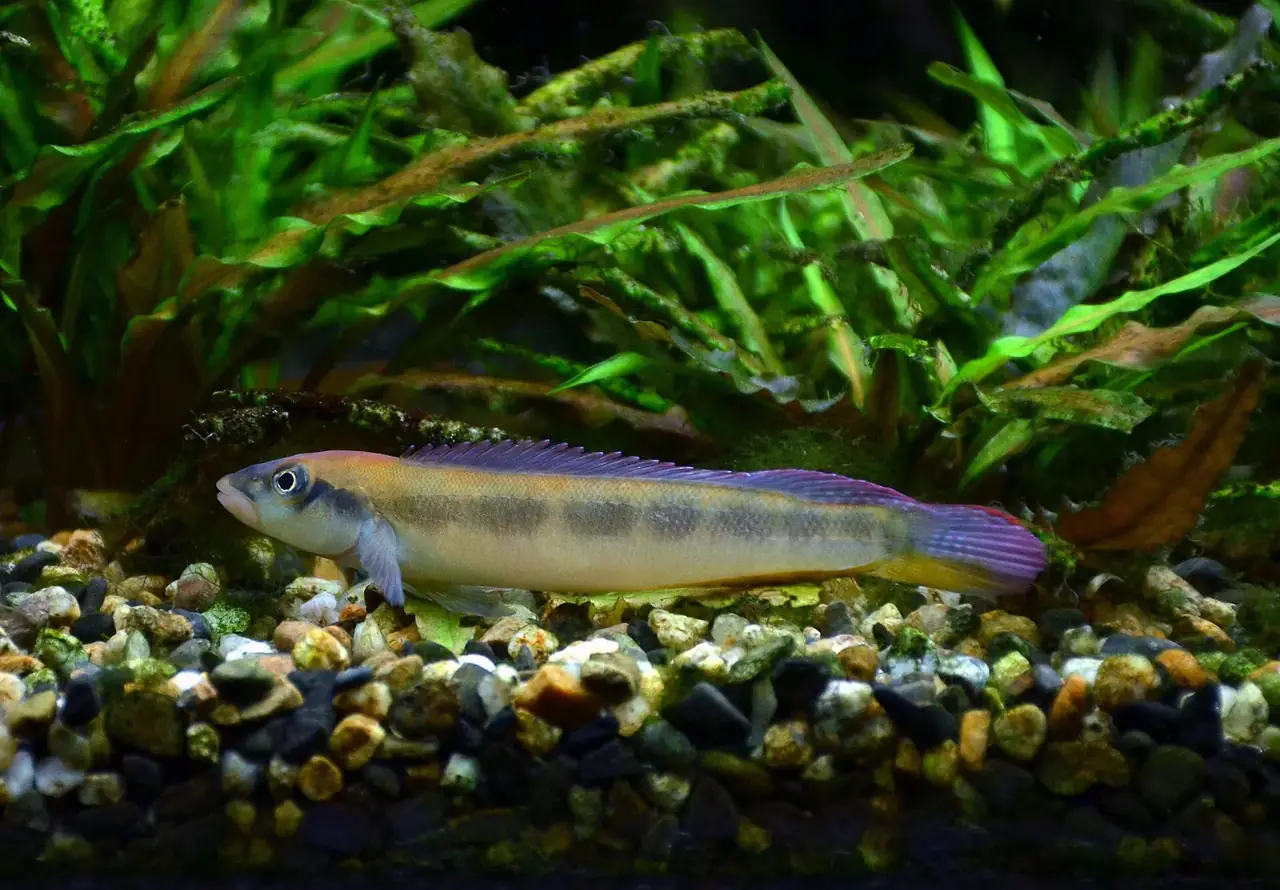
For aquariums, terrariums, vivariums, paludariums and other living habitats, backup power protects living organisms, not just convenience. Even a short outage matters: without circulation and aeration, oxygen in the water drops, and the beneficial bacteria in the filter also depend on flow. Without a heater or heat mat, the temperature drifts – especially for tropical species and reptiles in winter.
What is critical and what is not
- Critical: filter and circulation pump, aeration (air pump), heater, heat mat or other heat source.
- Non-critical: lighting – it can wait during an outage.
- Priority: aeration comes first – it protects oxygen levels and draws little power.
Which solution
- Battery-powered air pump: the simplest backup for aeration – it starts automatically or manually during an outage.
- Small UPS for aeration and filter only: can bridge a short outage. Heaters draw much more and drain a small UPS quickly.
- Hybrid inverter with EPS or a battery: for longer outages and for habitat heating, especially with several habitats or larger systems.
Sizing and alerts
- Size by the actual measured power of the equipment (for example with a plug-in power meter), not only the rating plate – heaters run in cycles.
- Decide how long the system must last and which loads stay on during a long outage.
- Add an alert on power loss (smart plug, a UPS with notifications or home automation) so you can react in time when you are away.
Specific needs depend on the species and the habitat size – consult a specialist for the animals or plants concerned.
Sizing checklist
- Which loads must run during an outage? Communications and emergency lighting go on a small UPS; heating, pumps and the rest on a large system.
- What is the total power (W/VA), and the inrush current of motors and pumps?
- How long must they run – minutes or hours?
- Is a short interruption acceptable, or is an online UPS needed?
- Single-phase or three-phase loads?
- Is solar installed or planned – could a hybrid inverter with EPS cover the need?
- Is a generator needed for long outages, and how will it connect (changeover switch, automatic transfer)?
- Where will the system sit – ventilation, temperature, maintenance access?
- What is the plan for maintenance and battery replacement?
How Enerwise Consult helps
We identify the critical loads, size power and runtime, and compare options – a small UPS for communications, a hybrid inverter with EPS, a large UPS or a generator – without ties to any manufacturer. Send an enquiry.
Don't start by buying equipment. Start with the right analysis.
Tell us briefly what you are planning or what you want to improve. We will suggest a suitable package and a clear scope.
Send an enquiry