
Summer- or winter-oriented PV: matching tilt and orientation to your consumption
There is no single 'correct' tilt. There is the tilt that matches your consumption.
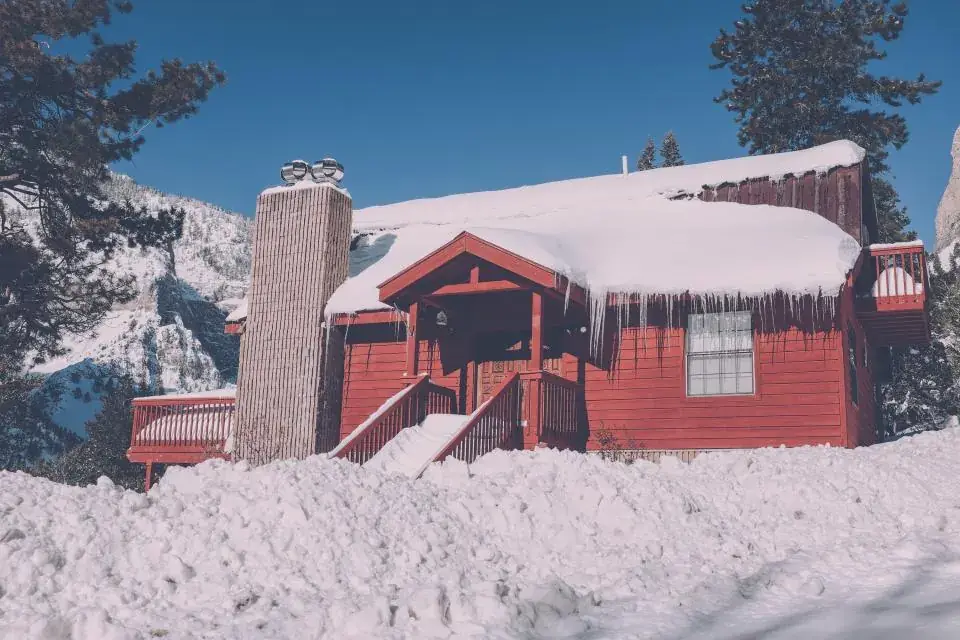
The usual advice is to face the panels south at the tilt that gives maximum annual yield. That is a good starting point, but not always the best answer. If you need most of your energy in winter, for example for a heat pump, it can make sense to orient the system towards winter production, even at the cost of less energy in summer.
Summer-oriented system
- Lower tilt, facing south or east-west.
- Maximum annual yield; east-west spreads production more evenly through the day.
- Suits air conditioning, a pool, daytime loads in an office or shop.
- Large surplus in summer, noticeably less energy in winter.
Winter-oriented system
- Steeper tilt – as general guidance about 50–60° at Bulgarian latitudes; the exact value depends on the site.
- Better yield under the low winter sun, and snow slides off more easily.
- A better match with heat-pump heating demand.
- You accept lower summer and usually lower annual yield.
- A battery helps on short winter days; if backup power during outages is needed, it is planned separately (hybrid inverter, separate critical loads).
Comparison
| Summer-oriented | Winter-oriented | |
|---|---|---|
| Tilt | Lower (illustratively about 10–30°) | Steeper (general guidance about 50–60°) |
| Orientation | South or east-west | South or close to south |
| Goal | Maximum annual yield | More energy in winter |
| Matching loads | Air conditioning, pool, daytime loads | Heat-pump heating |
| Summer surplus | Large | Smaller |
| Snow | Stays longer | Slides off more easily |
| Battery | Shifts summer surplus to the evening | Helps on short winter days; optional backup |
| Trade-off | Weaker winter | Lower summer and annual yield |
Tilt values are illustrative and meant as general orientation. The actual tilt and orientation are set by a calculation for the specific site.
How to choose from your load profile
- Split your annual consumption by month. If the winter months dominate because of heating, a winter orientation deserves serious consideration.
- If the peak is in summer (air conditioning, pool, daytime activity), a summer or east-west orientation is usually the better fit.
- Compare scenarios not by annual yield but by self-consumption month by month – the energy you actually use, not the energy you export.
- A mixed layout is also possible: some panels steeper for winter, some east-west for an even daily profile.
- Check the roof and structure limits: tilt, wind and snow loads, shading.
How Enerwise Consult helps
We model monthly production for several tilts and orientations, compare them with your load profile and recommend the layout that gives the most usable energy for your budget. Start with the Home Concept or send an enquiry.
Don't start by buying equipment. Start with the right analysis.
Tell us briefly what you are planning or what you want to improve. We will suggest a suitable package and a clear scope.
Send an enquiry