
The first electric tractors and other electric farm machinery
A new category of machinery, best planned together with the farm's energy system.
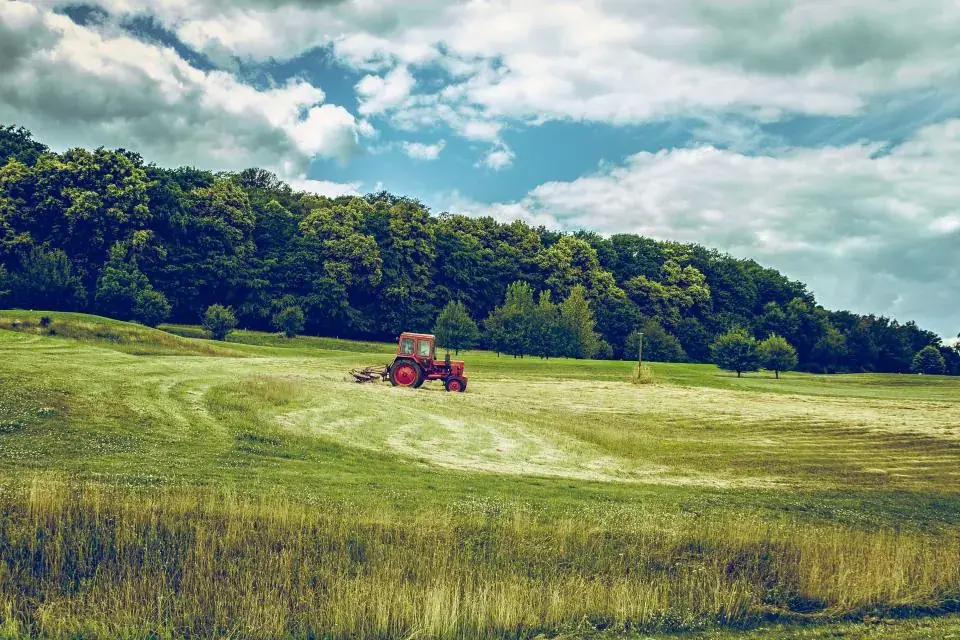
Electrification is reaching farm machinery. The market is at an early stage and models, availability and service networks are changing quickly, so this article looks at the categories and practical questions without recommending specific brands.
What machines are appearing
- Compact and utility electric tractors – an emerging category aimed mainly at lighter tasks: vineyards, orchards, greenhouses, livestock farms and municipal work.
- Electric telehandlers and loaders – for work in and around farm buildings, where machines often move over short distances.
- Autonomous and robotic platforms – for weeding, spraying, monitoring and in-row transport.
- Electric ATVs and utility vehicles – for patrols, moving people and small loads.
- Electric irrigation and feed equipment – pumps, feed mixers and feeders, cleaning systems.
The practical questions
Duty cycle versus battery capacity
The first question is the machine's real working day: how many hours, at what load and with what breaks. Light, intermittent tasks suit batteries well; continuous heavy work (ploughing, heavy implements) is the hardest case. Compare the work profile with the manufacturer's data for the specific task, not only with the headline capacity.
Charging on the farm from PV surplus
If the machine charges during the day while the PV produces, or in breaks between work cycles, much of its energy can come from your own generation. That requires planning the schedule and managing charging together with the other loads.
Three-phase or DC fast charging
Three-phase AC charging is simpler and cheaper to install; DC fast charging cuts downtime but needs more power and investment. The choice depends on whether the machine can charge overnight or over a lunch break, or must get back to the field quickly.
Grid connection limits
The farm's connection capacity is often the constraint. Charging machinery while pumps, cooling and dryers run can exceed the available power. Solutions include load management, a battery as a buffer, PV and, if needed, a capacity upgrade.
Battery swap
Some machines allow the battery to be swapped, so one works while the other charges from PV. This extends working time but requires extra batteries and organisation.
PTO and implement compatibility
Check whether the machine has a PTO, hydraulics and three-point hitch compatible with your existing implements, and whether high-power PTO tasks are within its capability.
Total cost of ownership compared with diesel
A higher purchase price can be offset by lower energy costs – especially when charging from your own PV – and by simpler maintenance of the electric drivetrain. On the other hand, residual value, battery replacement cost and service are still less predictable. The comparison should be made for your specific tasks and working hours.
Noise and emissions indoors
In barns, warehouses and greenhouses, zero exhaust fumes and lower noise are a clear benefit for people and animals and can be the deciding argument even when the economics are close.
How Enerwise Consult helps
We analyse the machinery work profile, size charging and PV, check the grid connection capacity and compare the options qualitatively and with your data – without ties to any manufacturer. See also Energy for farmers or send an enquiry.
Don't start by buying equipment. Start with the right analysis.
Tell us briefly what you are planning or what you want to improve. We will suggest a suitable package and a clear scope.
Send an enquiry